Legal Insights & Updates

Stay informed with our latest legal insights, industry updates, and expert analysis on important legal developments affecting businesses and individuals in the Philippines.

Featured Article

The Foreign Franchisor's Legal Roadmap to the Philippines: A 2026 Comprehensive Guide

The Philippines is one of Southeast Asia's most attractive franchise markets — 110 million consumers, a young English-speaking middle class, and an expanding economy that has made the country a top destination for international brand expansion. But for foreign franchisors, entering the Philippine market without a clear legal roadmap is not just inadvisable — it can expose the franchisor to criminal liability under the Anti-Dummy Law, involuntary dissolution of the local entity, trademark forfeiture, and BIR enforcement action. This comprehensive guide walks foreign franchisors through every legal requirement for establishing and operating a franchise system in the Philippines in 2026, from trademark registration with IPOPHL under Republic Act No. 8293, to SEC licensing under the Revised Corporation Code (Republic Act No. 11232), to BIR withholding tax obligations on royalties, DOLE alien employment permits for foreign personnel, DTI franchise registry requirements, and Philippine Competition Commission compliance under Republic Act No. 10667. Every citation is verified against primary sources.

Daniel John Fordan July 30, 2026
Read Full Article
The Foreign Franchisor's Legal Roadmap to the Philippines: A 2026 Comprehensive Guide

All Articles

The Foreign Franchisor's Legal Roadmap to the Philippines: A 2026 Comprehensive Guide

The Foreign Franchisor's Legal Roadmap to the Philippines: A 2026 Comprehensive Guide

The Philippines is one of Southeast Asia's most attractive franchise markets — 110 million consumers, a young English-speaking middle class, and an expanding economy that has made the country a top destination for international brand expansion. But for foreign franchisors, entering the Philippine market without a clear legal roadmap is not just inadvisable — it can expose the franchisor to criminal liability under the Anti-Dummy Law, involuntary dissolution of the local entity, trademark forfeiture, and BIR enforcement action. This comprehensive guide walks foreign franchisors through every legal requirement for establishing and operating a franchise system in the Philippines in 2026, from trademark registration with IPOPHL under Republic Act No. 8293, to SEC licensing under the Revised Corporation Code (Republic Act No. 11232), to BIR withholding tax obligations on royalties, DOLE alien employment permits for foreign personnel, DTI franchise registry requirements, and Philippine Competition Commission compliance under Republic Act No. 10667. Every citation is verified against primary sources.

The Innovative Startup Act (RA 11337) for Foreign Founders in the Philippines: A 2026 Comprehensive Guide

The Innovative Startup Act (RA 11337) for Foreign Founders in the Philippines: A 2026 Comprehensive Guide

Republic Act No. 11337, the Innovative Startup Act, is the Philippines' most significant legislation targeting foreign startup founders, investors, and enablers — yet it remains widely misunderstood and underutilized. This comprehensive guide breaks down every benefit available to foreigners under RA 11337, including the elusive Startup Visa (5-year, renewable, AEP-free), grant and venture fund eligibility, tax subsidies, expedited registration via Startup BOSS, and a practical step-by-step application process with real-world scenarios for foreign entrepreneurs building companies in the Philippines.

ROHQ vs. Branch Office vs. Subsidiary in the Philippines: The Foreign Investor's Complete Structural Comparison Guide

ROHQ vs. Branch Office vs. Subsidiary in the Philippines: The Foreign Investor's Complete Structural Comparison Guide

Choosing between a Regional Operating Headquarters (ROHQ), a Branch Office, or a Subsidiary Corporation is one of the most consequential decisions a foreign investor will make when entering the Philippine market. Each structure carries distinct legal personalities, tax treatments, capitalization requirements, operational scopes, and exposure to Philippine regulatory obligations. This guide provides a comprehensive, lawyer-grade comparison of all three structures — covering RA 8756 governing ROHQs, the Corporation Code (RA 11232) for subsidiaries and branches, BIR tax treatment under RA 12066 (CREATE MORE Act) and the National Internal Revenue Code, minimum capital requirements, repatriation mechanics, visa eligibility for foreign personnel, and a practical decision framework that foreign investors can apply to their specific circumstances.

How Foreigners Can Buy Property in the Philippines: A 2026 Complete Legal Guide

How Foreigners Can Buy Property in the Philippines: A 2026 Complete Legal Guide

Foreign investors often assume Philippine real estate is off-limits. It is not — but the rules are nuanced, and the traps for the unwary are real. This guide covers every legal pathway available to foreign buyers in 2026, from condominium purchases under RA 4726 to the new 99-year lease framework under RA 12252, with step-by-step process guidance and verified legal citations.

Joren Lex Tan 7/21/2026

Anti-Money Laundering Compliance for Foreign Companies in the Philippines: A 2026 Lawyer's Guide

Anti-Money Laundering Compliance for Foreign Companies in the Philippines: A 2026 Lawyer's Guide
The Philippines' removal from the FATF grey list in February 2025 did not make AML compliance optional — it made it more urgent. Foreign companies operating in the Philippines face expanded coverage under the Anti-Money Laundering Act (RA 9160, as amended), stricter beneficial ownership reporting through the SEC's HARBOR platform, and heightened scrutiny from both the AMLC and sectoral regulators. This article provides a comprehensive, lawyer-grade analysis of the AML obligations that apply to foreign companies in 2026, including covered persons classification, customer due diligence requirements, STR reporting obligations, and the practical consequences of non-compliance.

The Anti-Dummy Law (Commonwealth Act No. 108): What Every Foreign Investor in the Philippines Must Know in 2026

The Anti-Dummy Law (Commonwealth Act No. 108): What Every Foreign Investor in the Philippines Must Know in 2026

Commonwealth Act No. 108 — the Philippines' Anti-Dummy Law — is one of the most aggressively enforced foreign investment statutes in Southeast Asia. Foreign investors who attempt to circumvent Philippine ownership restrictions through nominee arrangements, proxy shareholders, or concealed management control face 5 to 15 years imprisonment, criminal fines, and total forfeiture of their investment. This article provides a comprehensive, lawyer-grade analysis of CA 108, its constitutional foundations, its 2026 enforcement landscape, the distinctions between lawful minority foreign ownership and prohibited dummy arrangements, and the compliant structures that foreign investors should pursue instead.

SIRV vs. SRRV in 2026: Which Philippine Investment Visa Is Right for Foreign Investors?

SIRV vs. SRRV in 2026: Which Philippine Investment Visa Is Right for Foreign Investors?

A comprehensive lawyer-grade comparison of the Special Investor's Resident Visa (SIRV) and Special Resident Retiree's Visa (SRRV) for foreign nationals considering the Philippines as an investment destination. Covers 2026 eligibility changes, minimum investment requirements, approved activities, processing timelines, tax implications, and scenario-based guidance to help foreign investors choose the right visa for their circumstances.

The New Public Service Act (RA 11659) and What It Means for Foreign Investors in the Philippines: A Comprehensive 2026 Guide

The New Public Service Act (RA 11659) and What It Means for Foreign Investors in the Philippines: A Comprehensive 2026 Guide

Republic Act No. 11659 fundamentally reshaped the Philippine investment landscape when it took effect on April 12, 2022. By narrowing the definition of 'public utility' to just six sectors, the law opened telecommunications, transportation, airports, railways, and expressways to 100% foreign ownership. This article provides a thorough, lawyer-grade analysis of what RA 11659 actually permits and restricts for foreign investors — with verified citations, sector-by-sector breakdowns, critical infrastructure rules, reciprocity requirements, and practical scenarios.

Joren Lex Tan 7/11/2026

The Internet Transactions Act (RA 11967) and Philippine E-Commerce Compliance for Foreign Investors in 2026: A Comprehensive Legal Guide

The Internet Transactions Act (RA 11967) and Philippine E-Commerce Compliance for Foreign Investors in 2026: A Comprehensive Legal Guide

The Philippines' Internet Transactions Act (RA 11967) took full effect on June 20, 2025. For foreign investors operating or targeting the Philippine e-commerce market, compliance is no longer optional. This article provides a comprehensive, lawyer-grade analysis of what RA 11967, its Implementing Rules (JAO 24-03), the DTI Trustmark (DAO 25-12), and applicable BIR VAT regulations mean for your business — with step-by-step guidance on registration, obligations, penalties, and practical compliance.

How to Register with the Board of Investments (BOI) as a Foreign Investor in the Philippines: A Comprehensive Step-by-Step Guide

How to Register with the Board of Investments (BOI) as a Foreign Investor in the Philippines: A Comprehensive Step-by-Step Guide

The Philippines' Board of Investments is one of the most powerful tools available to foreign investors seeking fiscal incentives, regulatory clarity, and government recognition of their investment's strategic value. This article provides a comprehensive, step-by-step guide to the BOI registration process in 2026 — covering eligibility under the 2026 SIPP, the application process, required documents, incentive packages under the CREATE MORE Act, post-registration compliance obligations, and a practical decision framework for choosing BOI versus PEZA. Every citation has been verified against official sources.

How to Buy a Philippine Company as a Foreign Investor in 2026: Share Purchase Agreements, PCC Notification, and the Complete Legal Process

How to Buy a Philippine Company as a Foreign Investor in 2026: Share Purchase Agreements, PCC Notification, and the Complete Legal Process

Foreign investors acquiring Philippine corporations face a multi-layered legal framework: BIR stock transfer tax, PCC merger notification thresholds (updated March 2026), SEC beneficial ownership disclosure under MC 15-2025, foreign equity compliance under the FIA, and sector-specific restrictions. This guide walks through the entire process with actionable steps.

The 2026 Strategic Investment Priority Plan and the PPP Code: A Foreign Investor's Comprehensive Guide to Philippine Infrastructure Investment Incentives

The 2026 Strategic Investment Priority Plan and the PPP Code: A Foreign Investor's Comprehensive Guide to Philippine Infrastructure Investment Incentives

President Ferdinand Marcos Jr.'s approval of the 2026 Strategic Investment Priority Plan (SIPP) on May 21, 2026 — published in the Official Gazette on June 2, 2026 — represents the most targeted recalibration of Philippine investment incentives since the CREATE MORE Act (RA 12066). Simultaneously, Republic Act No. 11966, the PPP Code of the Philippines, has fundamentally restructured how private partners — including foreign investors — can participate in Philippine infrastructure development. This article provides a comprehensive, lawyer-grade analysis of both frameworks, the synergies between them, the tax incentive architecture under the CREATE MORE Act, foreign ownership considerations, and a practical roadmap for foreign investors seeking to participate in Philippine infrastructure through SIPP-registered activities or PPP project structures.

Neunzig v. Court of Appeals and the Void-Ab-Initio Doctrine: What Foreign Investors Must Learn from the Philippines' Hardest Line on Foreign Land Ownership

Neunzig v. Court of Appeals and the Void-Ab-Initio Doctrine: What Foreign Investors Must Learn from the Philippines' Hardest Line on Foreign Land Ownership

The Supreme Court's February 2025 ruling in G.R. No. 260983 (Klaus Peter Neunzig v. Hon. Court of Appeals and Rossana Balcom-Doring) declared simulated land contracts void ab initio, applied the in pari delicto doctrine to deny both parties any legal recourse, and referred both the foreign investor and his Filipino nominee to the Solicitor General for potential Anti-Dummy Law prosecution. This article provides a comprehensive, lawyer-grade analysis of the decision, the constitutional framework it applied, and the legitimate legal structures available to foreign nationals seeking Philippine real property in 2026.

The 13th Foreign Investment Negative List: What Foreign Investors Must Know Under Executive Order No. 113 (Effective May 2, 2026)

The 13th Foreign Investment Negative List: What Foreign Investors Must Know Under Executive Order No. 113 (Effective May 2, 2026)

Executive Order No. 113, Series of 2026 — promulgating the Thirteenth Regular Foreign Investment Negative List — represents the most consequential recalibration of foreign investment restrictions in the Philippines since the passage of RA 11647 in 2022. Signed by President Ferdinand Marcos Jr. on April 13, 2026, and effective May 2, 2026, the13th RFINL introduces significant liberalizations in retail trade, telecommunications, and renewable energy, while tightening scrutiny through a new beneficial ownership registry and reinforced anti-dummy enforcement. This article provides foreign investors with a comprehensive, lawyer-grade analysis of every sector change, the governing legal framework, and a practical compliance roadmap for structuring investments under the new rules.

How Foreign Investors Can Structure a Philippine Holding Company in 2026: Tax Optimization, Intercorporate Dividends, and Post-CREATE MORE Act Considerations

How Foreign Investors Can Structure a Philippine Holding Company in 2026: Tax Optimization, Intercorporate Dividends, and Post-CREATE MORE Act Considerations

A comprehensive legal guide for foreign investors on establishing a Philippine holding company — covering the tax optimization benefits of intercorporate dividends under the National Internal Revenue Code, the 2024 HARBOR beneficial ownership registry requirements, CREATE MORE Act (RA 12066) incentives for holding structures, thin capitalization considerations, anti-dummy law compliance, and practical structuring guidance for multi-jurisdiction investment vehicles in 2026.

Philippine REITs for Foreign Investors in 2026: The Complete Guide to SEC Memorandum Circular No. 1 and Strategic Property Investment

Philippine REITs for Foreign Investors in 2026: The Complete Guide to SEC Memorandum Circular No. 1 and Strategic Property Investment

The SEC's January 2026 revisions to the REIT Rules — SEC Memorandum Circular No. 1, Series of 2026 — represent the most consequential update to the Philippine REIT framework since the REIT Act of 2009. For foreign investors seeking exposure to Philippine income-generating real estate, the new rules dramatically expand qualifying asset classes, clarify beneficial ownership requirements under the new HARBOR registry, and establish clearer pathways for 100% foreign-owned REIT structures through leasehold-only portfolios. This article provides a comprehensive, lawyer-grade analysis of how foreign nationals and foreign-incorporated entities can legally invest in, sponsor, or structure a Philippine REIT in 2026 — covering the expanded qualifying assets, the 60/40 Filipino ownership rule, tax treatment of REIT dividends and gains, the PSE brokerage account opening process, and the full compliance checklist under the 2026 amendments.

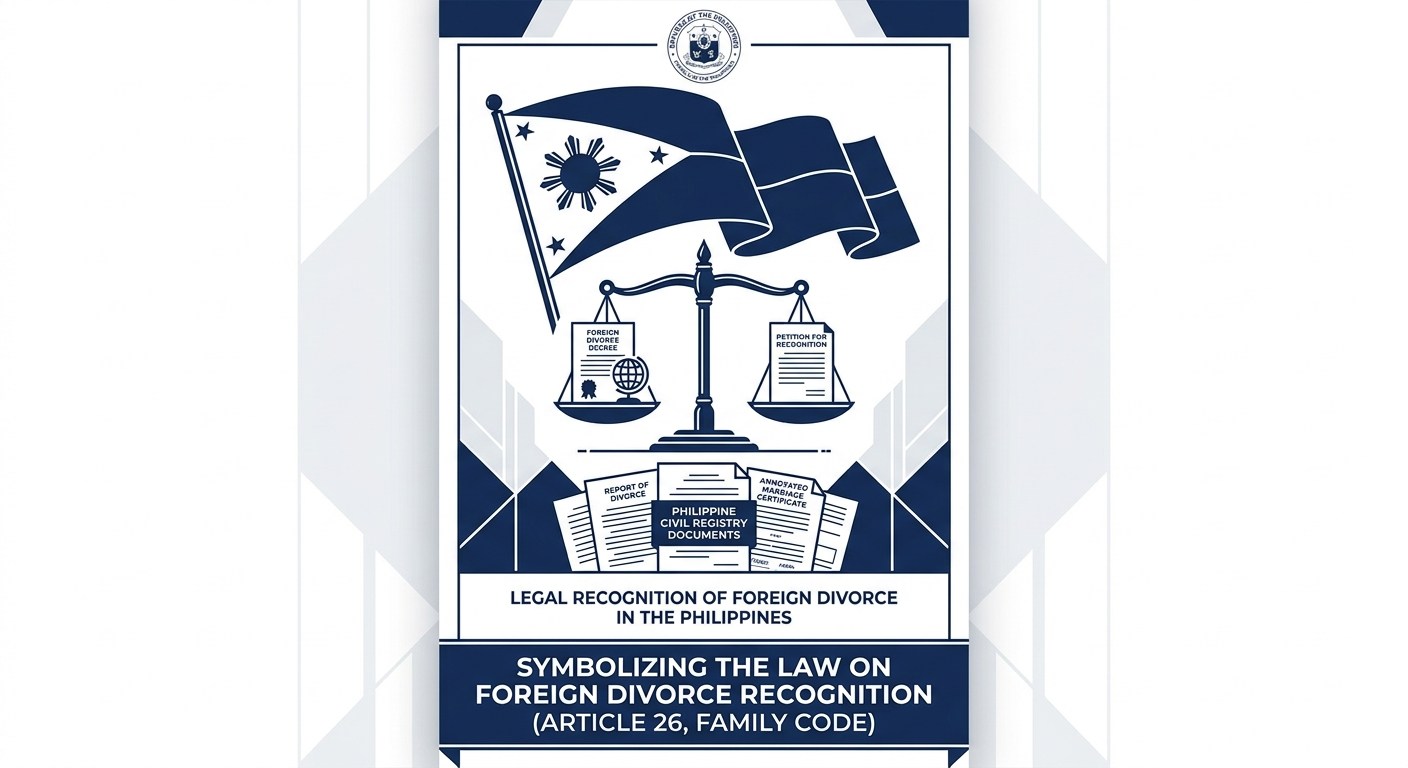
Foreign Divorce Recognition in the Philippines: A 2026 Legal Guide for Foreign Investors and Their Filipino Spouses

Foreign Divorce Recognition in the Philippines: A 2026 Legal Guide for Foreign Investors and Their Filipino Spouses

A comprehensive legal guide to the judicial recognition of foreign divorce decrees in the Philippines under Article 26 of the Family Code — covering the landmark Republic v. Ng (2024) and Republic v. Manalo (2018) rulings, the evolving limping marriage doctrine, the complete step-by-step procedure before the Regional Trial Court, documentary authentication requirements, annotation in the civil registry, and the practical implications for foreign investors married to Filipino citizens.

SRRV vs SIRV in 2026: The Foreign Investor's Complete Guide to Philippine Permanent Residency

SRRV vs SIRV in 2026: The Foreign Investor's Complete Guide to Philippine Permanent Residency

The Philippines offers two flagship long-term residency programs for foreign nationals — the Special Resident Retiree's Visa (SRRV) and the Special Investor's Resident Visa (SIRV). Both grant indefinite stay, but the differences in minimum investment, eligible uses of funds, work rights, and administrative requirements are substantial. This article provides a comprehensive, lawyer-grade comparison to help foreign investors choose the right pathway — with verified legal citations, updated 2026 deposit requirements, and a practical decision framework for each investor profile.

Closing Your Foreign-Owned Company in the Philippines in 2026: The New BIR RMC 47-2026 Framework and the Complete Dissolution Procedure

Closing Your Foreign-Owned Company in the Philippines in 2026: The New BIR RMC 47-2026 Framework and the Complete Dissolution Procedure

For foreign investors and multinational companies operating in the Philippines, the decision to wind down a Philippine subsidiary, branch office, or ROHQ is never simple — and until recently, the process could be protracted, opaque, and administratively punishing. The Bureau of Internal Revenue's issuance of Revenue Memorandum Circular No. 47-2026 on May 19, 2026 marks a meaningful inflection point: for the first time, micro-taxpayers (including-small foreign-invested enterprises) can obtain a tax clearance within three working days of submitting complete documents, without undergoing a mandatory audit. This article provides foreign investors with a comprehensive, step-by-step analysis of the complete closure and dissolution procedure for foreign-owned entities in the Philippines — covering BIR registration cancellation under RMC 47-2026 and RA 11976 (the Ease of Paying Taxes Act), Securities and Exchange Commission voluntary dissolution procedures, PEZA or BOI deregistration if applicable, employee separation and DOLE compliance, post-closure tax obligations and the extended prescriptive periods under the McDonald's Philippines Realty Corp. v. CIR doctrine, and the practical checklist every foreign investor's Philippine counsel should run through before initiating wind-down.

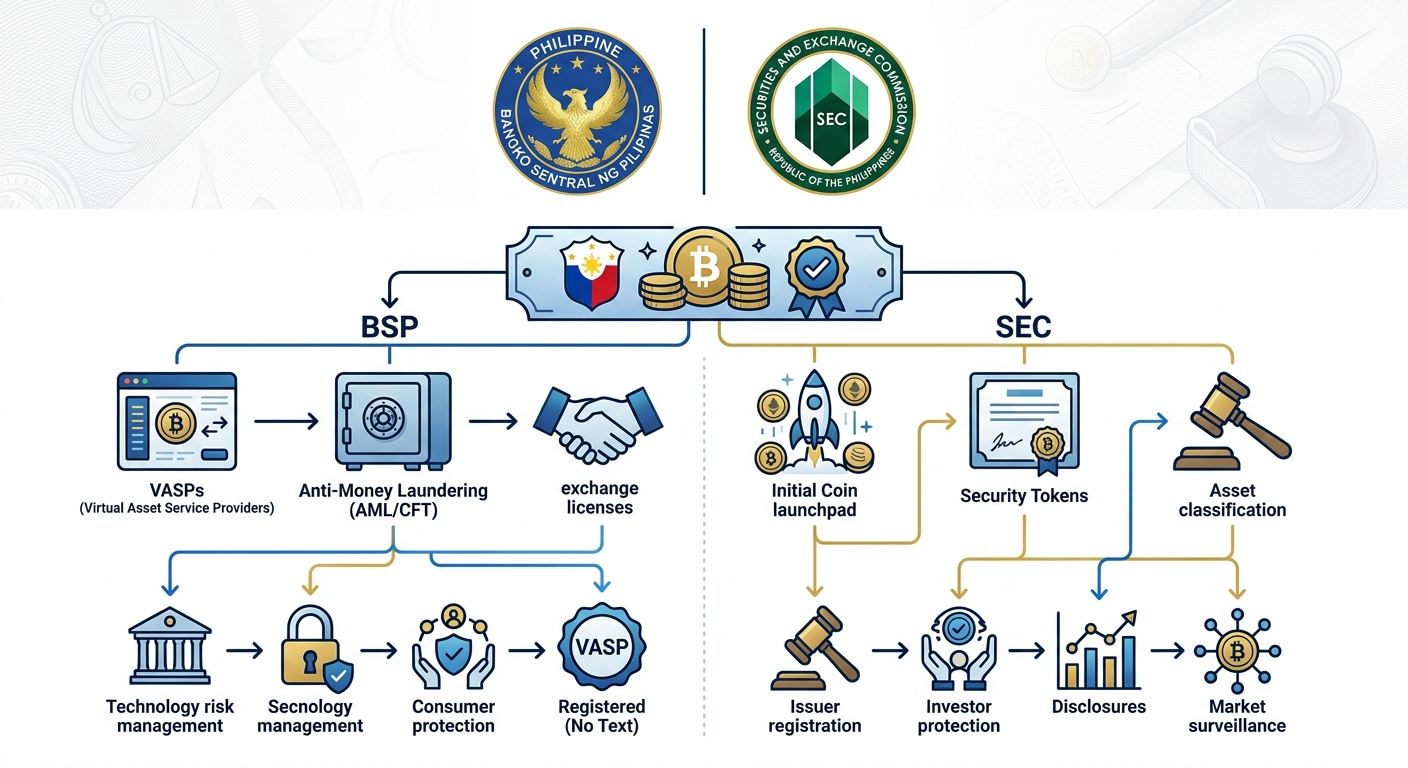
A Foreign Fintech Founder's Guide to Philippine Regulatory Licensing in 2026: From BSP Applications to AMLC Registration

A Foreign Fintech Founder's Guide to Philippine Regulatory Licensing in 2026: From BSP Applications to AMLC Registration

The Philippines has emerged as one of Southeast Asia's most dynamic fintech markets — but for foreign founders and investors looking to build, scale, or launch digital financial services in the country, the regulatory path is a minefield of licensing requirements, moratoriums, capitalization thresholds, and compliance obligations that change year by year. This article provides a comprehensive, lawyer-grade analysis of the Philippine fintech regulatory landscape in 2026, covering the Bangko Sentral ng Pilipinas (BSP) licensing framework, the Securities and Exchange Commission (SEC) registration process for fintech entities, the Anti-Money Laundering Council (AMLC) compliance regime, the National Privacy Commission (NPC) obligations, the Anti-Financial Account Scamming Act (RA 12010) and BSP Circular No. 1213's expanded compliance mandates, and the practical roadmap for foreign investors seeking to establish a compliant fintech presence in the Philippines.

Data Privacy Act Compliance for Foreign Companies in the Philippines: A Senior Attorney's Guide to RA 10173, NPC Enforcement, and the 2025–2026 Regulatory Landscape

Data Privacy Act Compliance for Foreign Companies in the Philippines: A Senior Attorney's Guide to RA 10173, NPC Enforcement, and the 2025–2026 Regulatory Landscape

The Philippines' Data Privacy Act of 2012 (Republic Act No. 10173) has entered a new enforcement phase — one shaped by the National Privacy Commission's 2025–2026 circulars on AI systems, data scraping, beneficial ownership disclosure, and cross-border data transfers. For foreign companies operating or planning to operate in the Philippines, the question is no longer whether RA 10173 applies, but whether your current compliance posture can survive the scrutiny of a regulator that has grown both more sophisticated and more aggressive. This guide provides a comprehensive legal analysis of RA 10173's scope, the compliance obligations it imposes on foreign-controlled entities, the mandatory registration requirements for Data Protection Officers, the breach reporting framework with its 72-hour notification rule, and the new regulatory landscape introduced by NPC Advisory No. 2026-01 on data scraping and NPC Advisory No. 2024-04 on AI systems. Every citation is verified against primary sources including lawphil.net, privacy.gov.ph, and official SEC and NPC publications.

How the Philippine Competition Act Affects Foreign Investors: A Comprehensive Guide to M&A Notification Requirements

How the Philippine Competition Act Affects Foreign Investors: A Comprehensive Guide to M&A Notification Requirements

Republic Act No. 10667 changed the landscape for foreign companies acquiring Philippine businesses. If you are a foreign investor considering an acquisition, joint venture, or merger with Philippine operations — or even a domestic company — you must understand the compulsory notification thresholds, the review process, gun-jumping prohibitions, and penalties that can void your transaction and expose you to significant administrative fines. This guide provides a complete legal analysis of the Philippine Competition Act's impact on foreign investment transactions, including the 2025 updated thresholds of PHP 8.5 billion (SOP) and PHP 3.5 billion (SOT), the Phase 1 and Phase 2 review timelines, gun-jumping risks, and the strategic considerations every foreign investor's counsel must address before signing a term sheet.

ROHQ vs. Branch Office vs. Subsidiary: Choosing the Right Philippine Business Structure as a Foreign Investor

ROHQ vs. Branch Office vs. Subsidiary: Choosing the Right Philippine Business Structure as a Foreign Investor

Setting up a business presence in the Philippines requires foreign investors to navigate a decision that has profound legal, tax, and operational consequences: which corporate structure best serves their regional strategy? The choice between a Regional Operating Headquarters (ROHQ), a Branch Office, and a Domestic Subsidiary is not merely administrative — it determines your tax liability, the scope of activities you may legally conduct, the capital you must commit, the regulatory agencies that oversee you, and your exposure to Philippine laws. This comprehensive guide provides a detailed comparison of all three structures under current Philippine law, including the impact of the CREATE MORE Act (RA 12066), and offers a practical decision framework for foreign investors evaluating their Philippine presence in 2025 and 2026.

VAT on Digital Services in the Philippines: What Foreign Companies Need to Know Under Republic Act No. 12023 and BIR Revenue Regulations No. 3-2025

VAT on Digital Services in the Philippines: What Foreign Companies Need to Know Under Republic Act No. 12023 and BIR Revenue Regulations No. 3-2025

Republic Act No. 12023 — the VAT on Digital Services Act — fundamentally changed the Philippines' tax treatment of digital services consumed within its borders. For foreign companies that provide software, streaming content, cloud infrastructure, or online advertising to Philippine consumers, or that purchase these services from foreign providers, understanding the new VAT framework is essential to staying compliant in 2025 and 2026. This guide covers the scope of covered digital services, registration requirements under the BIR's VDS Portal, B2B and B2C compliance pathways, VAT rates and exemptions, penalty exposure, and the practical steps foreign companies must take to address their digital services tax obligations.

SEC Annual Compliance for Foreign Corporations in the Philippines: MC 9-2026 and the Beneficial Ownership Disclosure Rules of 2026

SEC Annual Compliance for Foreign Corporations in the Philippines: MC 9-2026 and the Beneficial Ownership Disclosure Rules of 2026

The Securities and Exchange Commission has issued two landmark circulars — SEC Memorandum Circular No. 9, Series of 2026 and SEC Memorandum Circular No. 15, Series of 2025 — fundamentally reshaping the annual compliance landscape for foreign-invested enterprises operating in the Philippines. This article provides a comprehensive analysis of both frameworks, the practical mechanics of filing through the SEC's Electronic Filing and Submission Tool (eFAST), the critical deadlines for fiscal year 2025-2026, and the enhanced penalties that now apply to non-compliant foreign corporations. Foreign investors who treat these filings as mere administrative formalities do so at their peril: the SEC's enforcement posture in 2026 is materially more aggressive than in any prior year, and the consequences of non-compliance extend well beyond monetary penalties to include the suspension of corporate existence itself.

The Anti-Dummy Law and Beneficial Ownership Transparency: What Every Foreign Investor in the Philippines Must Know in 2026

The Anti-Dummy Law and Beneficial Ownership Transparency: What Every Foreign Investor in the Philippines Must Know in 2026

Commonwealth Act No. 108 — the Anti-Dummy Law — remains one of the most consequential and least understood statutes governing foreign business activity in the Philippines. Against the backdrop of the Philippines' liberalized investment climate and the Securities and Exchange Commission's landmark Memorandum Circular No. 15, Series of 2025 establishing the Beneficial Ownership Disclosure Rules of 2026, foreign investors face a significantly more transparent, more enforced compliance environment than ever before. This article provides a comprehensive analysis of the Anti-Dummy Law's statutory framework, the sectors it continues to affect despite recent reforms, the mechanics of beneficial ownership reporting under the new SEC rules, the criminal and civil consequences of violations, and a practical compliance roadmap for foreign investors seeking to establish or maintain a lawful presence in the Philippine market.

BIR Tax Audits for Foreign Companies in the Philippines: A Complete Guide to RMC 8-2026 and the New Audit Framework Effective 2026

BIR Tax Audits for Foreign Companies in the Philippines: A Complete Guide to RMC 8-2026 and the New Audit Framework Effective 2026

On January 27, 2026, the Bureau of Internal Revenue formally lifted its nationwide suspension of tax audits and field enforcement operations through Revenue Memorandum Circular No. 8-2026, ending a pause that had given many foreign-invested enterprises a false sense of security. For foreign companies with Philippine operations — whether operating as subsidiaries, branch offices, ROHQs, or representative offices — the resumption of BIR audit activity means that the compliance posture that may have been acceptable in 2023 or 2024 is no longer adequate. This comprehensive guide covers the new audit framework introduced under RMO 1-2026, the types and phases of BIR tax audits, the rights and obligations of foreign taxpayers during examination, the most common audit findings affecting foreign companies, the penalties and assessment process, and the practical steps foreign investors should take now to prepare their Philippine operations for a renewed enforcement environment.

The CREATE MORE Act: A Foreign Investor's Complete Guide to Republic Act No. 12066 and Its Impact on Your Philippine Tax Strategy

The CREATE MORE Act: A Foreign Investor's Complete Guide to Republic Act No. 12066 and Its Impact on Your Philippine Tax Strategy

Signed into law on November 11, 2024, Republic Act No. 12066 — the Corporate Recovery and Tax Incentives for Enterprises to Maximize Opportunities for Reinvigorating the Economy (CREATE MORE) Act — represents the most significant overhaul of the Philippine investment incentives framework since the CREATE Act of 2021. For foreign investors planning entry into the Philippine market, the changes are substantial: reduced income tax rates, extended incentive durations of up to 27 years, VAT exemptions for export enterprises, and a fundamentally restructured incentives architecture under the Strategic Investment Priority Plan. This guide breaks down everything a foreign investor needs to know about navigating the post-CREATE MORE landscape — with detailed analysis of the Enhanced Deductions Regime, the Special Corporate Income Tax option, the SIPP three-tier structure, BIR Revenue Regulations implementing the law, and the practical steps foreign companies should take to optimize their tax position from the moment they establish their Philippine presence.

Hiring Foreign Employees in the Philippines: The Complete 2026 Legal Guide for Employers and Investors

Hiring Foreign Employees in the Philippines: The Complete 2026 Legal Guide for Employers and Investors

From Alien Employment Permits under Commonwealth Act No. 613 and DOLE DO 248, Series of 2024, to Section 47(a)(2) work visas, DOLE local hire ratios, tax obligations under the TRAIN Law and CREATE MORE Act, and recently proposed changes to 9G visa rules — this comprehensive guide covers everything foreign employers, HR directors, and investors need to know about legally hiring and employing foreign nationals in the Philippines.

Joren Lex Tan 4/28/2026
International Commercial Arbitration for Foreign Investors in the Philippines: The Complete 2026 Legal Framework

International Commercial Arbitration for Foreign Investors in the Philippines: The Complete 2026 Legal Framework

From RA 9285 and the UNCITRAL Model Law to ICC arbitration, enforcement of foreign awards, and emergency arbitrator relief — this comprehensive guide provides foreign investors with everything they need to know about resolving commercial disputes in the Philippine legal system efficiently, predictably, and with international standards of enforceability.

Anti-Money Laundering Compliance for Foreign Companies in the Philippines: The Complete 2026 Legal Guide

Anti-Money Laundering Compliance for Foreign Companies in the Philippines: The Complete 2026 Legal Guide

From covered transaction reporting thresholds to FATF delisting milestones and BSP circular enforcement, this guide provides foreign investors with a complete legal analysis of AMLA compliance obligations in the Philippines — including who qualifies as a covered person, what transactions must be reported, the consequences of non-compliance, and the practical steps foreign companies must take to avoid criminal liability under Republic Act No. 9160, as amended.

Foreign Ownership Rights in the Philippines: A 2026 Legal Guide to What Foreign Investors Can and Cannot Own

Foreign Ownership Rights in the Philippines: A 2026 Legal Guide to What Foreign Investors Can and Cannot Own

From 100% ownership in export enterprises to zero equity in mass media, Philippine foreign ownership rules are a patchwork of constitutional provisions, statutes, and administrative orders that have evolved significantly since RA 11647 and RA 11595. This guide breaks down exactly what foreign investors can own, in what percentage, and under what conditions — with detailed analysis of the Foreign Investment Negative List, public utility restrictions, retail trade thresholds, land ownership rules, and the sector-specific nuances that every foreign investor must understand before committing capital.

Philippine Withholding Tax on Non-Resident Foreign Corporations: The Complete 2026 Guide for Foreign Investors

Philippine Withholding Tax on Non-Resident Foreign Corporations: The Complete 2026 Guide for Foreign Investors

Every time a Philippine company pays a foreign service provider, royalty, or dividend to a non-resident foreign corporation, a withholding tax obligation is triggered. BIR RMC No. 24-2026, issued March 30, 2026, has significantly refined how the BIR applies these rules. This comprehensive guide covers the legal framework, rates, tax treaty implications, and the compliance obligations that foreign investors and their Philippine counterparties must understand.

Environmental Compliance for Foreign Investors in the Philippines: ECC Requirements, DENR Permits, and the Complete Regulatory Framework

Environmental Compliance for Foreign Investors in the Philippines: ECC Requirements, DENR Permits, and the Complete Regulatory Framework

Foreign companies operating in the Philippines must navigate a complex web of environmental laws — from the Environmental Compliance Certificate under PD 1586 to discharge permits under the Clean Water Act and emission permits under the Clean Air Act. This comprehensive guide covers every environmental permit, compliance obligation, and penalty that foreign investors need to know.

Foreign Investment in Philippine Renewable Energy: A Complete Legal Guide to 100% Ownership, Service Contracts, and Fiscal Incentives

Foreign Investment in Philippine Renewable Energy: A Complete Legal Guide to 100% Ownership, Service Contracts, and Fiscal Incentives

The Philippines now allows 100% foreign ownership in solar, wind, hydro, and ocean energy projects. This comprehensive guide covers the legal basis under DOJ Opinion No. 21, DOE Circular No. DC2022-11-0034, the Revised Omnibus Guidelines, RA 9513 fiscal incentives, service contract requirements, and step-by-step entry strategies for foreign renewable energy investors.

Foreign Ownership in Philippine Retail Trade: A Complete Legal Guide to RA 11595 and the Retail Trade Liberalization Act

Foreign Ownership in Philippine Retail Trade: A Complete Legal Guide to RA 11595 and the Retail Trade Liberalization Act

A comprehensive legal guide to foreign ownership in Philippine retail trade — covering Republic Act No. 11595, the amended Retail Trade Liberalization Act, minimum paid-up capital requirements, reciprocity conditions, DTI and SEC registration, the IRR, penalties for non-compliance, and practical strategies for foreign retailers entering the Philippine market.

Joren Lex Tan 2/27/2026
Dispute Resolution and Arbitration for Foreign Investors in the Philippines: A Comprehensive Legal Guide

Dispute Resolution and Arbitration for Foreign Investors in the Philippines: A Comprehensive Legal Guide

A detailed legal guide to dispute resolution and arbitration for foreign investors in the Philippines — covering Republic Act No. 9285 (ADR Act of 2004), Republic Act No. 876 (Arbitration Law), the Special ADR Rules, enforcement of foreign arbitral awards under the New York Convention, the PDRCI and CIAC, mediation requirements, and practical strategies for structuring dispute resolution clauses in cross-border agreements.

Import and Export Regulations for Foreign Businesses in the Philippines: A Comprehensive Legal Guide

Import and Export Regulations for Foreign Businesses in the Philippines: A Comprehensive Legal Guide

A detailed legal guide to Philippine import and export regulations for foreign businesses — covering the Customs Modernization and Tariff Act (RA 10863), Bureau of Customs accreditation via the Client Profile Registration System (CPRS), tariff classification, import duties and VAT, restricted and prohibited goods, export requirements, ASEAN Trade in Goods Agreement (ATIGA) preferential tariffs, PEZA and freeport zone benefits, and compliance strategies for foreign investors.

Anti-Money Laundering Compliance for Foreign Companies in the Philippines: A Comprehensive Legal Guide

Anti-Money Laundering Compliance for Foreign Companies in the Philippines: A Comprehensive Legal Guide

A thorough legal guide to Philippine anti-money laundering compliance for foreign companies — covering RA 9160 (AMLA) as amended by RA 11521, covered persons and institutions, Know-Your-Customer (KYC) requirements, covered and suspicious transaction reporting (CTR/STR), AMLC enforcement powers, beneficial ownership disclosure, penalties of up to 14 years imprisonment, and the Philippines' post-FATF gray list compliance landscape.

Intellectual Property Protection and Trademark Registration for Foreign Companies in the Philippines: A Complete Legal Guide

Intellectual Property Protection and Trademark Registration for Foreign Companies in the Philippines: A Complete Legal Guide

A comprehensive legal guide to protecting intellectual property and registering trademarks in the Philippines as a foreign company — covering the IP Code (RA 8293 as amended by RA 10372), the Madrid Protocol, IPOPHL registration procedures, patent and copyright protections, trade secret safeguards, enforcement mechanisms, and practical strategies for foreign businesses securing their IP rights in the Philippine market.

Joint Ventures and Partnership Structures for Foreign Investors in the Philippines: A Comprehensive Legal Guide

Joint Ventures and Partnership Structures for Foreign Investors in the Philippines: A Comprehensive Legal Guide

A detailed legal guide to structuring joint ventures and partnerships in the Philippines as a foreign investor — covering the Civil Code partnership framework, the Revised Corporation Code (RA 11232), Foreign Investments Act (RA 7042 as amended by RA 11647), Anti-Dummy Law (CA 108), equity restrictions, corporate governance, and practical structuring strategies for foreign-Filipino business collaborations.

Joren Lex Tan 2/20/2026
Franchise Regulations for Foreign Brands Entering the Philippines: A Complete Legal Guide

Franchise Regulations for Foreign Brands Entering the Philippines: A Complete Legal Guide

A comprehensive legal guide to Philippine franchise regulations for foreign brands — covering the regulatory framework, IP Code technology transfer rules, the Retail Trade Liberalization Act, intellectual property protection, withholding tax on royalties, corporate structuring options, and practical compliance steps for international franchisors expanding into the Philippine market.

BOI and PEZA Incentives for Foreign Investors in the Philippines: A Complete Guide to the CREATE and CREATE MORE Acts

BOI and PEZA Incentives for Foreign Investors in the Philippines: A Complete Guide to the CREATE and CREATE MORE Acts

A comprehensive legal guide to investment incentives available through the Board of Investments (BOI) and Philippine Economic Zone Authority (PEZA) under the CREATE Act (RA 11534) and CREATE MORE Act (RA 12066) — covering income tax holidays, special corporate income tax rates, enhanced deductions, duty exemptions, the Strategic Investment Priority Plan, and practical application steps for foreign investors.

Philippine Visa Types for Foreign Business Owners: A Complete Guide to Work and Investment Visas

Philippine Visa Types for Foreign Business Owners: A Complete Guide to Work and Investment Visas

A comprehensive legal guide to the visa options available to foreign entrepreneurs and investors in the Philippines, covering the 9(G) Pre-Arranged Employment Visa, Section 47(a)(2) Special Non-Immigrant Visa, Special Investor's Resident Visa (SIRV), Special Resident Retiree's Visa (SRRV), and Treaty Trader Visa — with verified legal citations and practical guidance.

Cyber Libel in the Philippines

Cyber Libel in the Philippines

Cyber libel is a controversial issue in the Philippines. In 2012, the country enacted the Cybercrime Prevention Act, which includes provisions criminalizing online libel. While the law was aimed at preventing cybercrime, the inclusion of libel as a criminal offense has raised concerns about freedom of expression and press freedom in the country.

3/10/2024

Stay Updated

Subscribe to our newsletter to receive the latest legal insights and updates directly to your inbox.