Cyber Libel in the Philippines
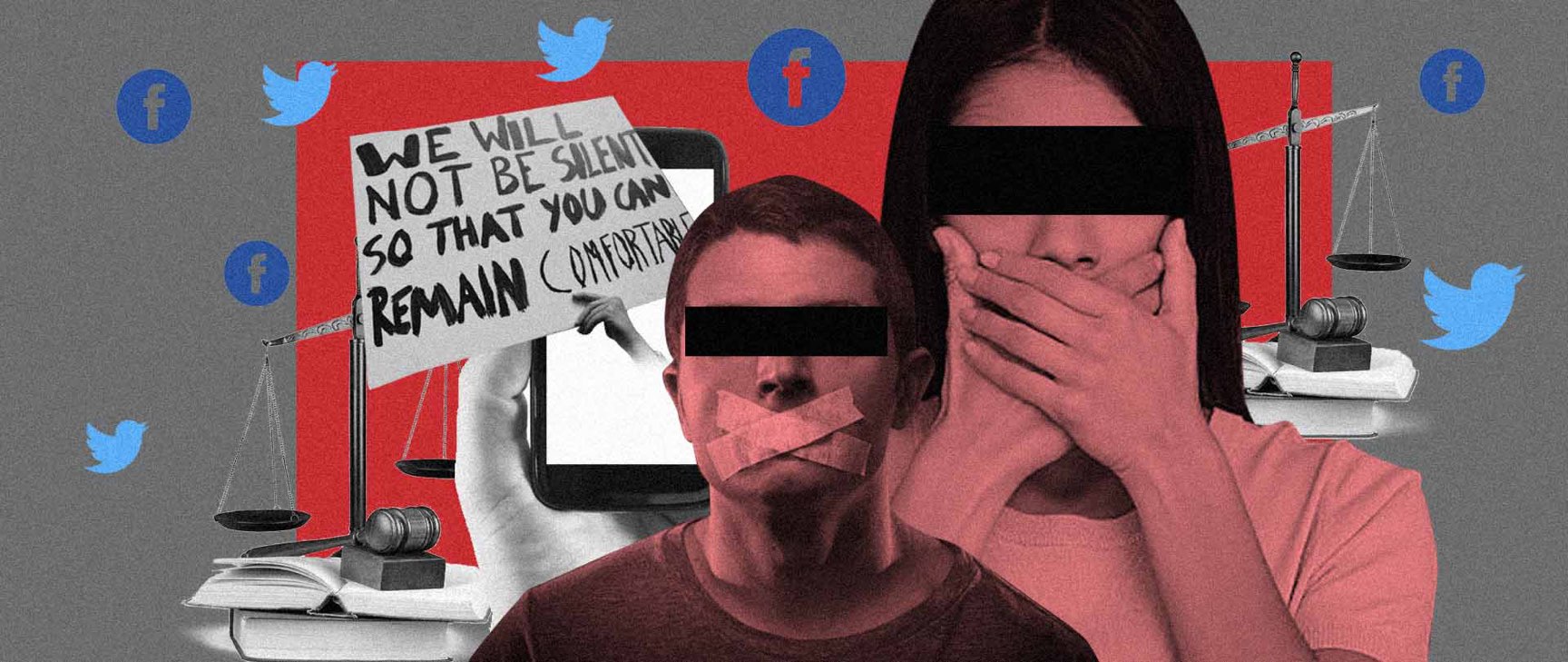
Cyber libel is a controversial issue in the Philippines. In 2012, the country enacted the Cybercrime Prevention Act, which includes provisions criminalizing online libel. While the law was aimed at preventing cybercrime, the inclusion of libel as a criminal offense has raised concerns about freedom of expression and press freedom in the country.
What is Cyber Libel?
Libel is a legal term that refers to the publication of false and damaging statements about a person that can harm their reputation. Cyber libel, as its name suggests, involves the use of online platforms such as social media, blogs, and websites to publish such statements.
Under the Cybercrime Prevention Act of 2012, cyber libel is defined as the "unlawful or prohibited acts of libel as defined in Article 355 of the Revised Penal Code, as amended, committed through a computer system or any other similar means which may be devised in the future." This means that any person who publishes defamatory statements online can be charged with cyber libel.
The law has been criticized for its vague definition of what constitutes libelous statements and the severity of the punishment for those found guilty. The penalty for cyber libel can range from a fine of PHP 200,000 to PHP 1 million (roughly $4,000 to $20,000) and imprisonment for up to six years.
The Impact on Freedom of Expression and Press Freedom
Critics of the law argue that it poses a threat to freedom of expression and press freedom in the Philippines. The vague definition of what constitutes libelous statements means that journalists, bloggers, and social media users may be hesitant to publish critical content, for fear of being charged with cyber libel.
There have been several high-profile cases of cyber libel in the Philippines that have drawn international attention. In 2020, journalist Maria Ressa, the CEO of Rappler, a news website critical of President Rodrigo Duterte's administration, was found guilty of cyber libel. The case was widely seen as politically motivated, and human rights groups called it a blow to press freedom in the country.
The Philippine government has defended the law, arguing that it is necessary to prevent cybercrime and protect citizens from online harassment and bullying. However, critics argue that the law is being used to silence dissent and curtail freedom of expression.
The Way Forward
The issue of cyber libel in the Philippines is complex and requires careful consideration of the balance between protecting citizens from harm and upholding freedom of expression and press freedom. While there is no easy solution, some have called for a review of the law to ensure that it is not being used to silence dissent and critical voices.
In the meantime, journalists, bloggers, and social media users must continue to exercise caution when publishing online content. While the right to freedom of expression is enshrined in the Philippine Constitution, the Cybercrime Prevention Act has created a legal environment that could stifle free speech and limit the ability of citizens to hold those in power accountable.
Related Articles

The Philippine Privacy Impact Assessment Revolution: What the 2026 Draft Circular Means for Foreign Companies
The NPC's August 2026 draft circular would replace the blanket Privacy Impact Assessment obligation that has governed Philippine data privacy compliance since 2017 with a risk-tiered framework. For foreign companies operating in or serving the Philippine market, the shift from a one-size-fits-all requirement to a threshold-based trigger system carries significant compliance and cost implications. This guide explains the eight mandatory PIA trigger categories, the new quantitative thresholds, what the draft circular means for AI systems and cross-border transfers, and the practical steps foreign companies must take now.
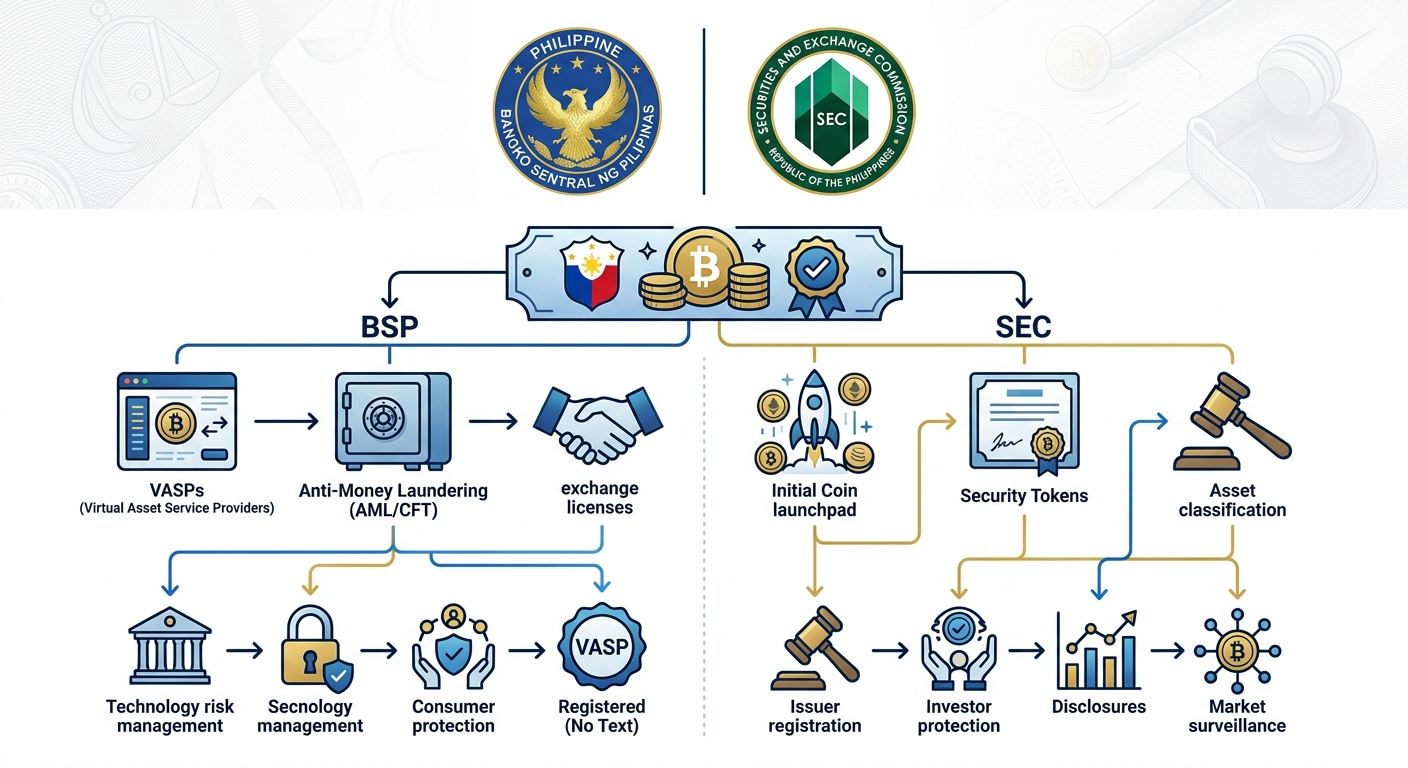
The Philippine Dual-Regulatory Framework for Cryptocurrency and Virtual Assets: A Comprehensive Guide for Foreign Investors in 2026
With the BSP's Circular No. 1108 and the SEC's CASP Rules (MC Nos. 04 and 05 of 2025) now both in force, foreign investors entering the Philippine virtual asset space face a bifurcated regulatory landscape that did not exist three years ago. This guide maps the jurisdictional boundaries between the Bangko Sentral ng Pilipinas and the Securities and Exchange Commission, explains the licensing pathways, capitalization requirements, AML/CTF obligations, the BSP's continued VASP license moratorium, and the practical steps a foreign investor must take to operate lawfully in the Philippines' digital asset market.
The Philippine E-Invoicing Mandate: A Comprehensive Compliance Guide for Foreign Companies in 2026
With the December 31, 2026 deadline for mandatory e-invoicing under BIR Revenue Regulations No. 11-2025 fast approaching, foreign companies operating in the Philippines face an urgent compliance obligation that cannot be deferred. This guide provides a complete analysis of who must comply, what constitutes a compliant electronic invoice, the step-by-step implementation process, tax deduction opportunities under the CREATE MORE Act, and the penalties for non-compliance — with every legal citation verified against primary sources.