Real Estate
Acquiring, leasing, and developing Philippine property — within the foreign-ownership rules.
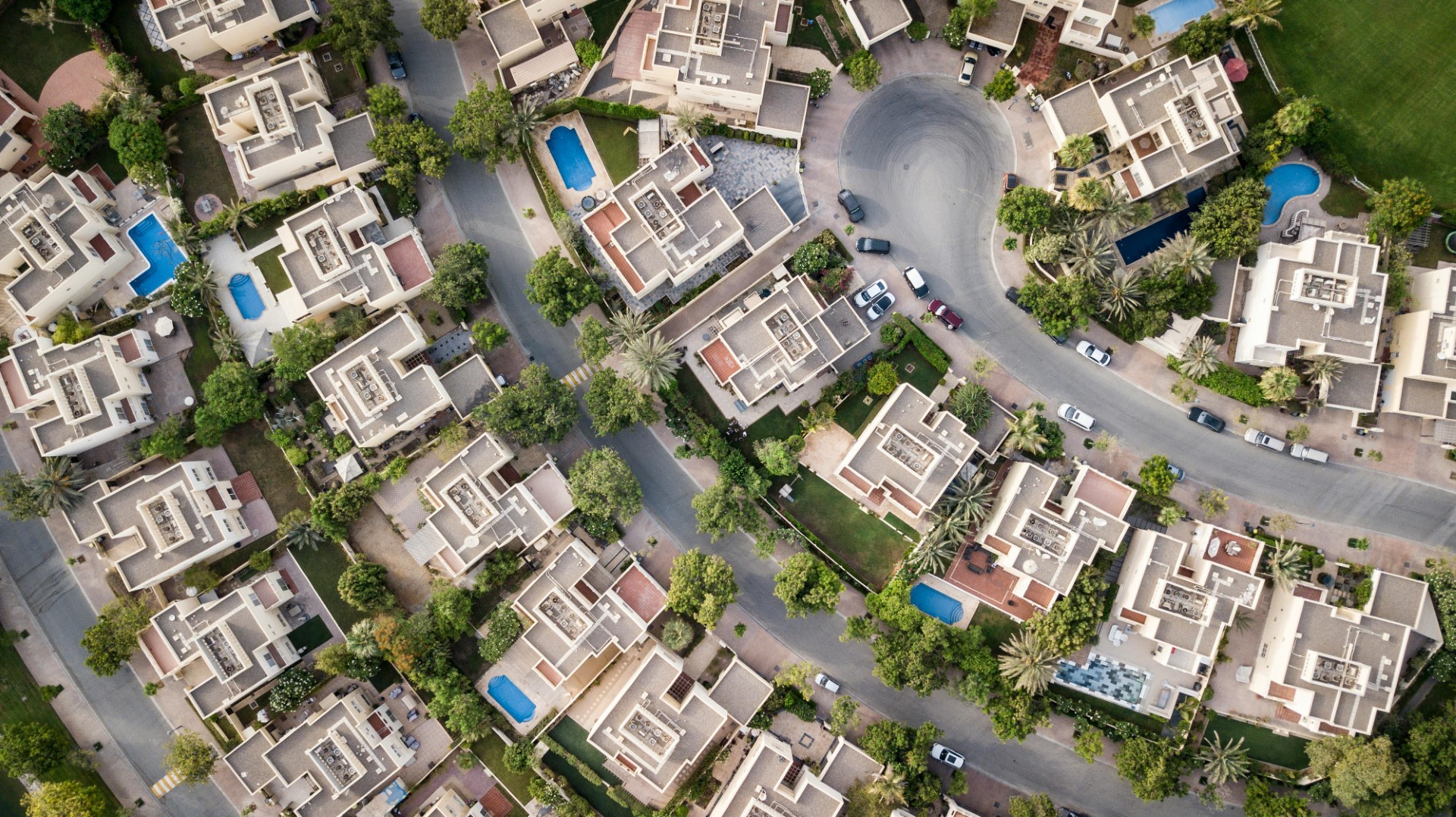
Philippine property law draws hard lines — foreigners cannot own land, condominium projects carry a 40% foreign-ownership ceiling, and a defective title can void a purchase entirely. Real estate here rewards buyers who check before they sign. That checking is our work.
Before money moves
Due diligence and title examination under the Torrens system, on every acquisition and disposition. For foreign investors, we structure what the Constitution actually allows: condominium purchases, long-term leases (now up to 99 years under RA 12252), and corporate structures that respect the ownership limits rather than skirting them.
Development and leasing
Land use, zoning, permitting, and project financing for developers taking a site from raw land to revenue — and leases negotiated on both the landlord and commercial tenant sides, from anchor space to industrial ground leases.
When title is attacked
Property disputes are a steady part of our courtroom docket: quieting of title, annulment of title and reconveyance, cancellation of fraudulent transfers, ejectment and unlawful detainer, and the property fallout of family settlements. Land cases in the Philippines are fought over decades and decided on documents — the same discipline that drives our due diligence.
Who we act for
Domestic and foreign developers, investors, corporates taking office or industrial space, and individual buyers making the largest purchase of their lives. The advice scales; the care doesn't change.
Foreign buyers should start with our guides to what foreigners can and cannot buy, the new 99-year lease law, and the Supreme Court's hard line on foreign land ownership.
Who you’d work with
The whole team

Real Estate
Put the question to us directly.
Describe your situation in a paragraph. We’ll come back with the process, the timeline, and what it takes to start.