SRRV Retirement Visa Philippines: 7 Questions Foreigners Always Ask
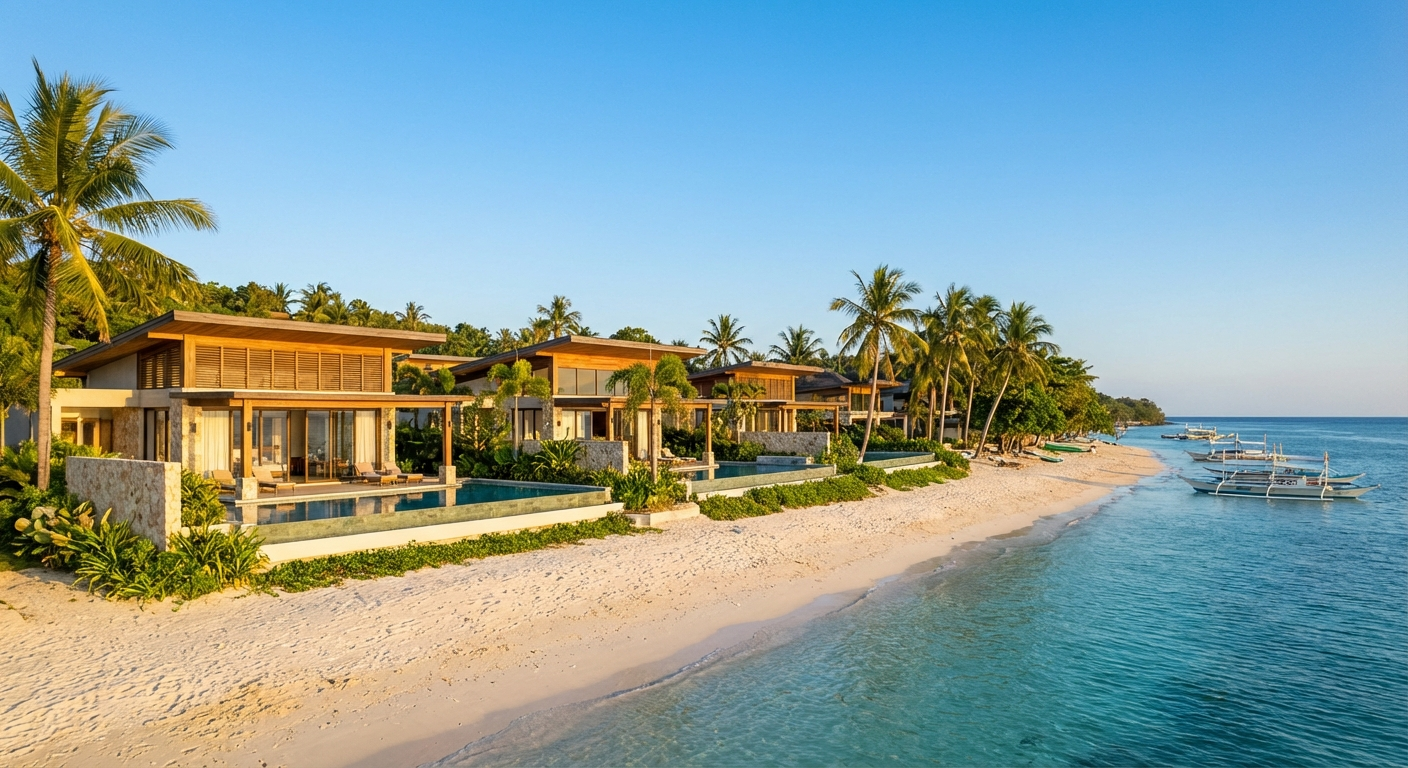
The Special Resident Retiree's Visa (SRRV) is one of the most popular long-term visa options for foreigners who want to live in the Philippines. Administered by the Philippine Retirement Authority (PRA), it offers indefinite stay, multiple-entry privileges, and a surprisingly straightforward application process.
But the program changed significantly in September 2025. Here are seven questions we hear most often from foreign clients — with updated answers.
1. Do I Actually Need to Be "Retired" to Get the SRRV?
No. Despite the name, you do not need to be retired in any traditional sense. The SRRV is really an age-qualified residency visa. You need to meet the minimum age requirement and deposit the required amount — that's it. Many SRRV holders are still actively working, running businesses, or freelancing in the Philippines.
2. What's the Minimum Age Now?
Effective 1 September 2025, the PRA lowered the minimum age from 50 to 40 years old. Applicants aged 40–49 are eligible but face higher deposit requirements than those 50 and above.
This is a significant change — it opens the SRRV to younger professionals, digital nomads, and early retirees who previously had to rely on other visa categories.
3. How Much Do I Need to Deposit?
The SRRV has two main options. Here are the current deposit requirements under SRRV Classic:
- Age 50+, with pension: USD 15,000
- Age 50+, no pension: USD 30,000
- Age 40–49, with pension: USD 25,000
- Age 40–49, no pension: USD 50,000
To qualify as a "pensioner," you must prove a lifetime pension of at least USD 800/month (single) or USD 1,000/month (with dependents). Social security payments from your home country typically qualify.
There's also the SRRV Courtesy option with much lower deposits (USD 1,500–6,000), but it's limited to retired diplomats, former military officers, recognized high achievers, and former Filipino citizens.
4. Can I Bring My Family?
Yes. Your legally married spouse and unmarried children under 21 can be included as dependents. The first two dependents are covered under the principal's deposit. Each additional dependent beyond two requires an extra USD 15,000 deposit (except for former Filipinos).
Each dependent also needs to pay a USD 300 application fee and submit their own medical certificate, police clearance, and proof of relationship (e.g., marriage or birth certificate).
5. What Can I Actually Do with an SRRV?
The SRRV grants you:
- Indefinite stay — no need for annual visa renewals
- Multiple-entry privileges — leave and re-enter freely
- Tax exemptions on importation of household goods and personal effects
- The ability to invest your visa deposit in approved instruments (under SRRV Classic) such as condominium purchases or long-term lease agreements
However, the SRRV alone does not grant you the right to work. If you want to be employed by a Philippine company, you'll still need an Alien Employment Permit (AEP) from the Department of Labor and Employment. Running your own duly registered business is a separate matter — consult a lawyer about that.
6. What Documents Do I Need?
The core requirements for principal applicants are:
- Valid passport with tourist visa (at least 1 month remaining validity)
- PRA application form
- Medical certificate (issued within 6 months)
- Police clearance from country of origin or last residence (within 6 months)
- Bureau of Immigration Clearance Certificate (BICC) — this is a new requirement as of September 2025
- NBI clearance (if you've been in the Philippines for over 90 days)
- Eight 2×2 photos (white background, taken within 3 months)
- Proof of inward remittance to a PRA-accredited bank
Important: Applicants from certain countries — notably China — now face additional documentary requirements, including apostilled birth certificates, national IDs, and social insurance records. All documents issued outside the Philippines must be translated into English and either apostilled or authenticated by the Philippine Embassy.
7. How Much Does the Whole Process Cost?
Beyond the visa deposit (which is refundable if you cancel), expect these fees:
- PRA processing fee: USD 1,500 (increased from USD 1,400 in September 2025)
- Annual fee (SRRV Classic): USD 360 for principal + 2 dependents; USD 100 for each additional dependent
- Annual fee (SRRV Courtesy, foreign nationals): USD 100 for principal + 2 dependents
- Dependent application fee: USD 300 each
The deposit must be inwardly remitted from a foreign bank to a PRA-accredited bank — currently the Development Bank of the Philippines (DBP), PNB, BDO (select branches), KEB Hana Bank, Unionbank, Bank of Commerce, and Shinhan Bank.
Is the SRRV Right for You?
The SRRV is ideal if you want long-term Philippine residency without the hassle of annual visa renewals. The 2025 changes make it accessible to a younger demographic, though the higher deposits for ages 40–49 mean it's still a meaningful financial commitment.
If you're under 40 or prefer not to lock up capital in a deposit, other options exist — the 9(g) work visa, SIRV, or 47(a)(2) visa may be better fits depending on your situation.
At TTFC Law, we help foreign nationals evaluate their visa options, prepare SRRV applications, and navigate the PRA process from start to finish. Get in touch if you'd like guidance tailored to your circumstances.
Related Articles

5 Tax Incentives Foreign Investors Can Claim Under the CREATE MORE Act
The CREATE MORE Act (RA 12066) overhauled the Philippines' tax incentive framework in late 2024. Here are five key benefits every foreign investor should know before registering with BOI or PEZA.

Can a Foreign Company Hire Filipino Remote Workers Without a Local Entity?
Many foreign startups and businesses hire Filipino talent remotely — but doing it legally requires understanding the line between independent contractors and employees under Philippine law.
7 Local Permits Foreign-Owned Businesses Need After SEC Registration in the Philippines
Registered your foreign-owned company with the SEC? That's just the beginning. Here's a step-by-step checklist of the local permits and registrations you still need before you can legally operate.