Can Foreigners Open a Bank Account in the Philippines? 5 Common Questions Answered
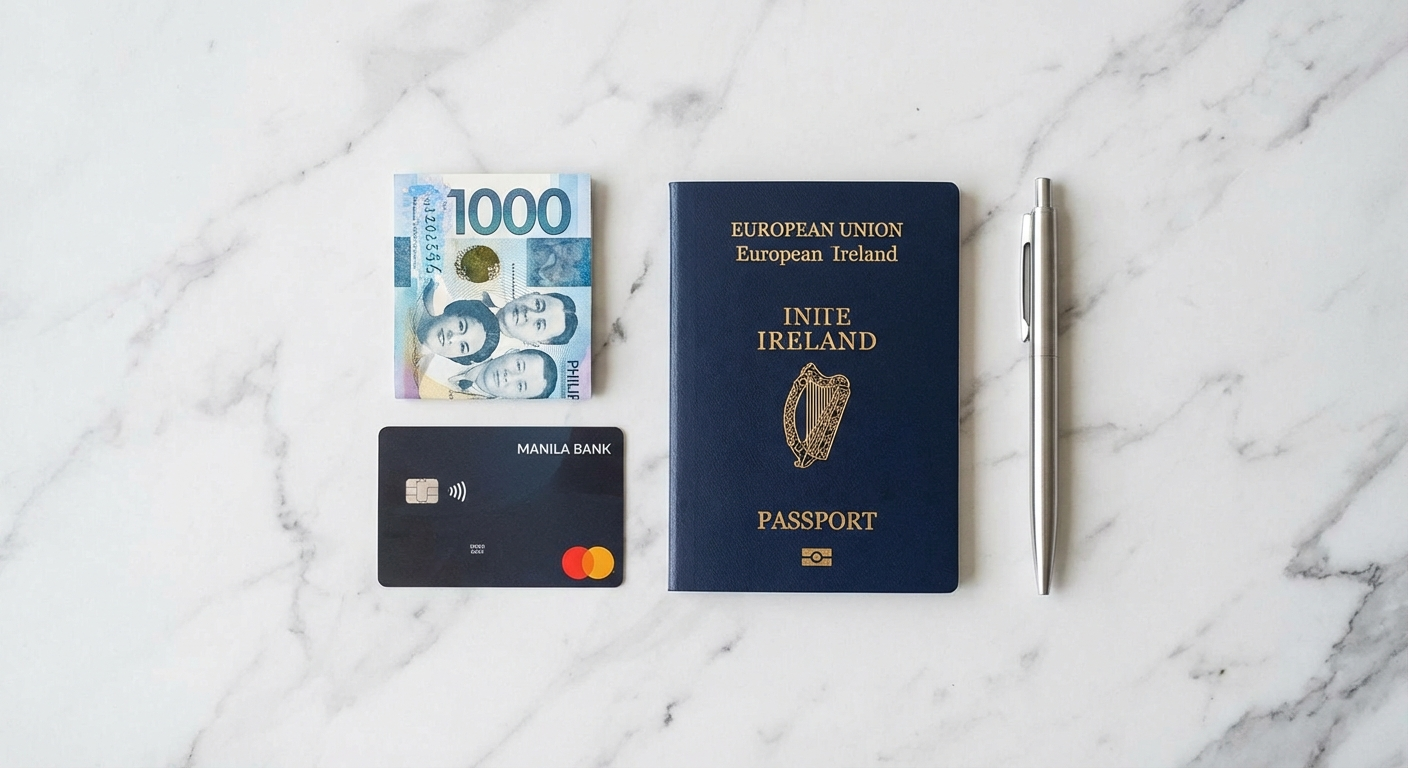
One of the most practical questions foreigners ask when moving to or investing in the Philippines is whether they can open a local bank account. The short answer is yes — but the process involves specific documentation requirements that catch many newcomers off guard. Here are five frequently asked questions, answered with reference to the actual laws and regulations.
1. Can a Foreigner Legally Open a Bank Account in the Philippines?
Yes. There is no Philippine law that prohibits foreigners from opening bank accounts. The General Banking Law of 2000 (Republic Act No. 8791) governs banking operations in the Philippines and does not restrict account opening based on nationality. Both resident and non-resident foreigners may open peso and foreign currency accounts.
For foreign currency deposits specifically, Republic Act No. 6426, also known as the Foreign Currency Deposit Act, expressly provides that "any person, natural or juridical" may deposit foreign currencies with authorized Philippine banks. This includes foreign nationals regardless of their immigration status.
However, banks are required to comply with Know Your Customer (KYC) and Anti-Money Laundering (AML) requirements under Republic Act No. 9160, as amended by RA 10167, RA 10365, and RA 11521. In practice, this means banks will ask for identity documents beyond just your passport.
2. What Documents Do I Need?
The exact requirements vary by bank, but under BSP Circular No. 706 (Updated Anti-Money Laundering Rules and Regulations), all banks must conduct customer identification before opening an account. For foreign nationals, this typically means:
- Valid passport — the primary identification document for any foreigner
- Alien Certificate of Registration Identity Card (ACR I-Card) — issued by the Bureau of Immigration to all foreigners who have stayed in the Philippines for more than 59 days. Most major banks (BDO, BPI, Metrobank) treat this as a mandatory requirement.
- Proof of address in the Philippines — a utility bill, lease contract, or barangay certificate showing your local address
- Tax Identification Number (TIN) — some banks require this, obtainable from the Bureau of Internal Revenue under the National Internal Revenue Code (RA 8424)
- Reference letter or initial deposit — certain banks require an existing account holder to refer you, or a minimum opening deposit (amounts vary from PHP 2,000 to PHP 25,000 depending on the bank and account type)
Practical tip: If you are on a tourist visa (Section 9(a) of the Philippine Immigration Act) and have been in the country for fewer than 59 days, most banks will decline your application because you will not yet have an ACR I-Card. Some banks with international operations (HSBC, Citibank) may have more flexible requirements, but this is bank policy — not a legal right.
3. What Types of Accounts Can Foreigners Open?
Foreigners who meet the KYC requirements can generally open the same types of accounts as Filipino nationals:
- Peso savings and checking accounts — standard accounts for everyday transactions in Philippine pesos
- Foreign Currency Deposit Unit (FCDU) accounts — governed by RA 6426, these allow deposits in US dollars, euros, Japanese yen, and other accepted currencies. Under Section 8 of RA 6426, FCDU deposits enjoy confidentiality protections similar to those under the Bank Secrecy Law (RA 1405).
- Time deposit accounts — fixed-term deposits in either peso or foreign currency, often with higher interest rates
- Corporate accounts — if you have registered a business entity with the Securities and Exchange Commission (SEC), your company can open corporate bank accounts with standard SEC registration documents, articles of incorporation, and board resolutions
Note that Basic Deposit Accounts (BDAs), introduced under BSP Circular No. 992 (Series of 2018), are designed to promote financial inclusion among the Filipino public and generally apply to Filipino citizens. Foreigners typically open standard deposit accounts.
4. Can I Open an Account Without Visiting a Branch?
As of the date of this writing, most Philippine banks still require an in-person branch visit for foreign nationals opening their first account. While the BSP has been progressively allowing digital onboarding under its Digital Payments Transformation Roadmap, these streamlined processes are primarily available to Philippine national ID (PhilSys) holders.
Some digital banks operating in the Philippines (such as Tonik, Maya, and GCash's savings features) may allow limited account opening with a passport, but full-featured accounts with higher transaction limits will generally require the standard KYC documentation discussed above, including an ACR I-Card.
5. Are There Tax Implications I Should Know About?
Yes. Under the National Internal Revenue Code (RA 8424, as amended by the TRAIN Law or RA 10963):
- Interest on peso deposits is subject to a final withholding tax of 20%, which the bank automatically deducts. This applies regardless of whether you are a resident or non-resident foreigner.
- Interest on FCDU deposits held by residents of the Philippines is subject to a 15% final tax. However, interest earned by non-residents on FCDU deposits is exempt from Philippine income tax under Section 27(D)(1) of the Tax Code.
- If you are classified as a resident alien (living in the Philippines with an appropriate visa), you are taxed on Philippine-sourced income at the same graduated rates as Filipino citizens.
It is important to determine your tax residency status, as this affects not only deposit interest taxation but your broader Philippine tax obligations.
Bottom Line
Foreigners can absolutely open bank accounts in the Philippines, and the law does not prohibit it. The main barrier is practical — assembling the right documents, particularly the ACR I-Card, which requires you to have been in the country for at least 59 days on an extended visa. If you are planning to invest, work, or retire in the Philippines, obtaining your ACR I-Card early should be a priority, as it unlocks not just banking but many other essential services.
If you need assistance navigating the documentation requirements or understanding your tax obligations as a foreign account holder, contact TTFC Law for a consultation tailored to your situation.
Related Articles

5 Tax Incentives Foreign Investors Can Claim Under the CREATE MORE Act
The CREATE MORE Act (RA 12066) overhauled the Philippines' tax incentive framework in late 2024. Here are five key benefits every foreign investor should know before registering with BOI or PEZA.

Can a Foreign Company Hire Filipino Remote Workers Without a Local Entity?
Many foreign startups and businesses hire Filipino talent remotely — but doing it legally requires understanding the line between independent contractors and employees under Philippine law.

SRRV Retirement Visa Philippines: 7 Questions Foreigners Always Ask
Thinking about retiring in the Philippines? Here are seven frequently asked questions about the Special Resident Retiree's Visa — including the 2025 rule changes that lowered the minimum age to 40.